
Tyre Fitter & Supplier Financing
Explore finance for tyre stock, fitting equipment and mobile operations, based on the way your business receives customer payments.
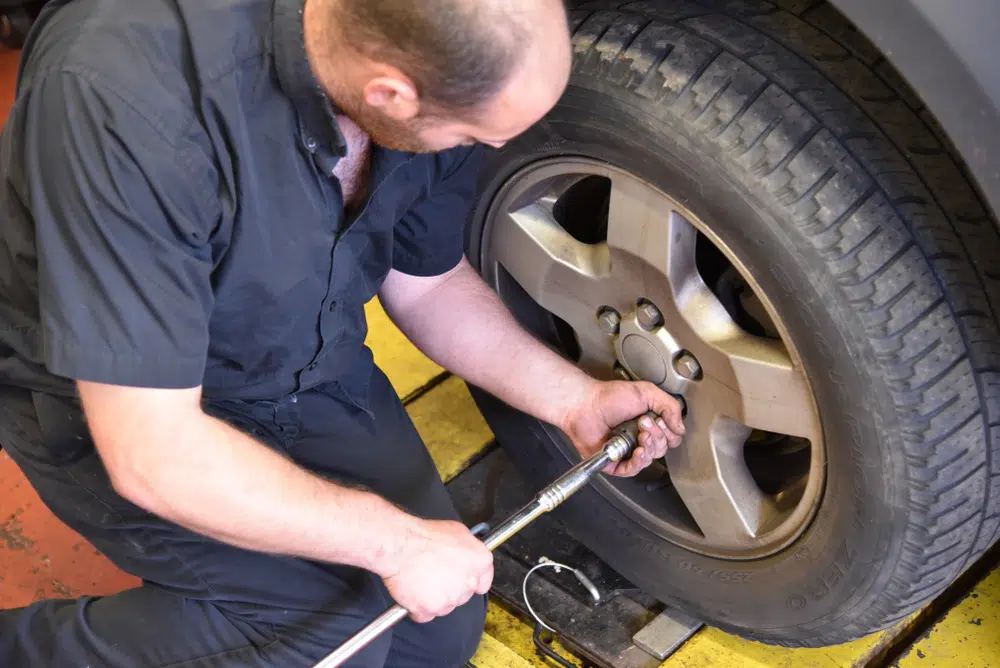
Tyre Fitter & Supplier Business Finance Made Simple
Tyre business finance needs to account for stock held across different sizes and specifications. Carrying more tyres can improve availability, but it also ties up cash in lines that may not sell quickly. A buying plan should reflect recent demand and supplier lead times.
Retail fitting, mobile call-outs and fleet supply can have different collection periods. A customer may pay by card on completion, while a fleet account settles an invoice later. Show those activities separately when deciding the funding amount and repayment structure.
PDQ Funding helps UK businesses explore business loans and merchant cash advances. The available route depends on the business, its payment channels and the provider’s assessment.
For buying goods ahead of sales, compare inventory and stock finance with working capital loans and match repayments to the expected receipt dates.
What could the funding cover?
- A targeted tyre stock purchase supported by recent sales.
- Tyre changers, wheel balancers and associated installation.
- Mobile fitting equipment or a defined workshop improvement.
- Working capital for an identified gap before fleet invoices are collected.
Include power, compressed air, floor layout, training and servicing when budgeting for new fitting equipment. For a mobile service, account for vehicle running costs and realistic travel time between jobs. More stock cannot compensate for a shortage of fitting capacity.
Compare the funding structure
Tyre Fitter & Supplier business loans
A business loan may cover several related costs. Compare equipment finance where a specific machine or vehicle is the main requirement. Review deposits, maintenance, ownership and permitted use before choosing an agreement.
A loan provides an agreed sum repaid over a set term, with interest and fees. Ask for the payment schedule and full cost before deciding whether it fits the business.
Funding linked to qualifying card sales
Qualifying walk-in or mobile customer card receipts may support an advance assessment. Fleet invoices, trade accounts and bank transfers are not automatically qualifying card income. Explain how each customer group pays.
A merchant cash advance provides upfront funds, collected through an agreed percentage of qualifying card receipts. Collections can vary with those receipts. Check any minimum payment, reconciliation or other contractual requirements.
Allow for stock range and fleet payment times
Forecast cash after tyre purchases, technician wages, premises, disposal arrangements and existing borrowing. Test slower stock turnover and late fleet payments. Base repayments on the margin retained after fitting costs, rather than the total selling value of tyres.
Compare net funds received, fees and total repayable across quotations. For an advance, the collection percentage is different from the funding fee: a smaller percentage taken from sales does not necessarily mean cheaper funding.
Review security, personal guarantees and early settlement terms. Unsecured funding can still involve a personal guarantee, creating personal liability if the business cannot pay. Consider independent advice before accepting an agreement.
Eligibility and information to prepare
Prepare financial records, bank and merchant statements, stock ageing and aged fleet invoices. Include supplier terms, equipment quotations and details of any mobile fitting operation or planned workshop changes.
Providers may assess trading history, financial records, credit information, existing commitments and affordability. Requirements vary; an enquiry does not guarantee an offer, amount or completion date. Tell us about other applications or finance already in place so the overall commitment can be considered.
Tyre Fitter & Supplier finance questions
Can funding cover tyre stock?
A planned purchase may be considered. Show the sizes and quantities needed, supplier terms and the effect of slower stock turnover.
Can a mobile tyre fitter enquire?
Yes, explain the trading record, service area, vehicle and equipment costs, and how customers pay. Approval depends on the provider.
Do fleet invoices qualify for an advance?
Not automatically. A conventional merchant cash advance relies on qualifying card receipts rather than unpaid invoices.
Discuss your funding requirements
Tell us what you need to fund, the amount required and how the business receives income. Complete the online enquiry form or call 01246 233108 to discuss the next steps.
PDQ Funding is a broker, not a lender. We do not charge for using our brokerage service and receive lender commission following a successful introduction. There is no obligation to accept an offer.
For related information, see garage and MOT centre finance.
Your funding enquiry
Share your business details and funding needs.