Microbrewery Financing
Explore finance for brewery equipment, production improvements and working capital. Compare costs and repayment structures against the way your brewery earns income.
Microbrewery Business Finance Made Simple
Microbrewery finance can support a defined investment in production, packaging or sales. A fermentation vessel, a canning line and a working-capital gap need different budgets and funding terms.
Brewing can tie up cash before finished beer is sold and paid for. Map the timing of ingredients, production, packaging, delivery and customer payments rather than assuming turnover arrives evenly through the month.
PDQ Funding helps trading breweries explore business loans and merchant cash advances. Explain the split between wholesale customers, taproom sales and online orders so the enquiry reflects how the business actually receives money.
For additional premises or capacity, use our guide to business expansion finance. For a defined gap in operating receipts, read about working capital loans.
What could the funding cover?
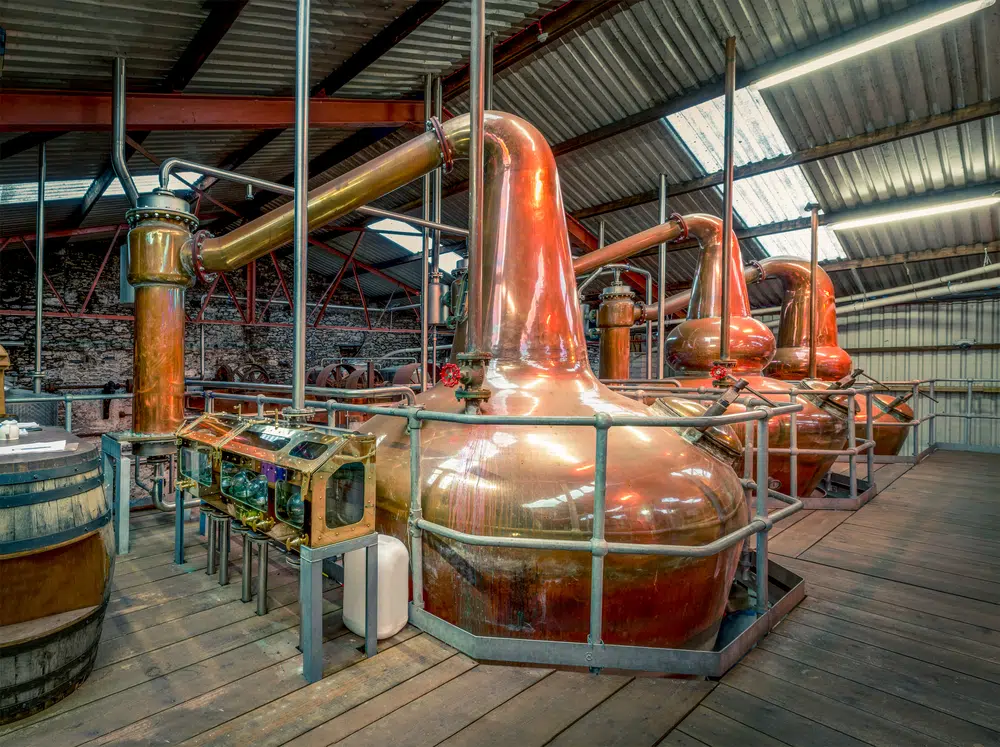
- Production equipment: vessels, cooling, cleaning systems and machinery needed for the proposed output.
- Packaging: canning, bottling or labelling equipment, with installation and commissioning included.
- Stock and working capital: ingredients, packaging and a defined gap before customer receipts.
- Sales space and systems: taproom improvements, an online ordering system or storage upgrades.
Before expanding capacity, check whether another part of production, storage or distribution will become the constraint. Include power, installation, training and downtime in the quotation, not just the equipment price.
Compare your funding options
Microbrewery business loans
A business loan provides an agreed sum repaid over a set term, with interest and fees. It can help fund several related costs where scheduled repayments fit the brewery’s cash flow.
For an individual piece of machinery, compare a suitable equipment finance quotation, including deposits, maintenance, ownership and the useful life of the equipment. Confirm the agreement permits the intended use.
Card-sales funding for breweries
A merchant cash advance provides upfront funds with collections based on an agreed share of qualifying card receipts. It may be relevant to taproom or online card sales, subject to the provider’s assessment.
Wholesale invoice payments or ordinary bank transfers do not automatically qualify as card sales. If the main issue is unpaid business invoices, invoice finance may be a different route to compare. Check the product and provider’s criteria rather than assuming one facility covers every sales channel.
Match repayments to the production cycle
Build the forecast after ingredients, packaging, staff, utilities, delivery, tax and duty commitments. Include existing loans and leases. Allow for production delays, slower customer payments and stock that may take longer to sell.
A new machine only supports additional income if there is demand and enough capacity elsewhere to fulfil orders. Compare the planned output with the orders and distribution arrangements supporting the investment.
Ask for net funds received, fees and total repayable. For an advance, distinguish the collection percentage from the funding fee and check minimum payment or reconciliation terms. Review guarantees and security: unsecured funding may still create personal liability through a guarantee. Consider independent advice before signing.
Eligibility and information to prepare
Providers assess trading history, financial records, credit information, current commitments and affordability. An amount cannot be guaranteed from production capacity or a projected wholesale order alone.
- Recent accounts and business bank statements.
- A breakdown of wholesale, taproom and online receipts.
- Merchant statements for a card-sales funding enquiry.
- Existing borrowing, supplier quotations and a project forecast.
For a production expansion, show equipment lead times and the expected dates of first sales and customer payment. Tell the provider about a planned move, ownership change or installation shutdown.
Microbrewery finance questions
Can a wholesale-only brewery get a merchant cash advance?
A conventional card-sales advance requires qualifying card receipts. Explain how wholesale customers pay. A business loan or another facility may use a different assessment; eligibility depends on the provider.
Can finance cover used brewery equipment?
It depends on the product, provider and machinery. Obtain a quotation and confirm the condition, installation, servicing, ownership and permitted-use terms before accepting funding.
Can I fund a brewery that has not started trading?
A business without a trading record requires a different assessment from an established brewery. Prepare a full project budget and business plan and explore appropriate start-up routes directly.
Is invoice finance the same as a cash advance?
No. Invoice finance uses eligible unpaid business invoices as the basis for funding. A conventional merchant cash advance relies on qualifying card sales. The costs, responsibilities and eligibility criteria differ.
Request a quote for your microbrewery
Tell us what you need to fund, the amount required and how the brewery trades. Complete the online enquiry form or call 01246 233108 to discuss the next steps.
PDQ Funding is a broker, not a lender. We do not charge for using our brokerage service and receive lender commission following a successful introduction. There is no obligation to accept an offer. For a separate licensed venue, see pub and bar finance.
Your funding enquiry
Share your business details and funding needs.